Utility/Use Case of Government Vehicle Alloy Wheel Applications
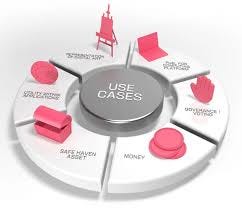
Utility/Use Case of Alloy Wheels in Modern Transportation
The Utility/Use Case of alloy wheels has expanded significantly with the evolution of vehicle design, safety standards, and operational demands. Alloy wheels are no longer viewed as premium accessories limited to private vehicles; they have become functional components across commercial, public, and institutional transport systems. Their strength, durability, and efficiency make them suitable for demanding environments where performance and reliability are essential. Understanding the utility and use case of alloy wheels helps stakeholders make informed decisions for long-term operational value.
Understanding the Utility/Use Case of Alloy Wheels
At their core, the Utility/Use Case of alloy wheels lies in their ability to balance strength and lightweight construction. Manufactured primarily from aluminum alloys, these wheels offer improved load-bearing capacity while reducing overall vehicle weight. This combination enhances fuel efficiency, improves handling, and supports better braking performance. Across diverse vehicle categories, alloy wheels are increasingly chosen for their functional advantages rather than purely aesthetic appeal.
Utility/Use Case in High-Load and Continuous Operations
Vehicles that operate continuously under load — such as public transport vehicles, service fleets, and institutional vehicles — require components that can withstand prolonged stress. The Utility/Use Case of alloy wheels in such operations is centered on durability and resistance to deformation. Alloy wheels maintain structural integrity under repeated load cycles, reducing the risk of cracks or failures. This makes them suitable for vehicles that cannot afford frequent downtime or maintenance interruptions.

Government Vehicle Alloy Wheel Applications
A key area where alloy wheels play a vital role is in Government Vehicle Alloy Wheel applications. Government vehicles, including administrative cars, patrol vehicles, municipal service vehicles, and utility fleets, operate under strict performance and safety expectations. Alloy wheels used in these vehicles must meet defined standards for strength, reliability, and compatibility with braking systems. Their proven performance supports consistent vehicle operation across urban, rural, and high-traffic environments.
Utility/Use Case in Safety and Stability Requirements
Safety is a critical factor in evaluating the Utility/Use Case of alloy wheels. Alloy wheels provide superior heat dissipation compared to traditional steel wheels, especially during braking. This characteristic enhances braking efficiency and reduces the risk of brake fade. In government and public-service vehicles, where emergency response and controlled handling are essential, alloy wheels contribute directly to vehicle stability and safety.
Utility/Use Case in Fuel Efficiency and Sustainability
Weight reduction is a major contributor to vehicle efficiency. The Utility/Use Case of alloy wheels includes lowering unsprung mass, which improves fuel economy and reduces energy consumption. For government fleets managing large numbers of vehicles, even small efficiency gains translate into significant long-term cost savings. Reduced fuel consumption also aligns with sustainability goals and emission reduction initiatives increasingly adopted by public-sector organizations.
Government Vehicle Alloy Wheel Performance in Harsh Conditions
Government vehicles often operate in challenging conditions, including uneven roads, extreme temperatures, and heavy-duty usage. The Government Vehicle Alloy Wheel is designed to perform reliably in such environments. Alloy wheels resist corrosion better than conventional alternatives, particularly when treated with protective coatings. This resistance ensures consistent performance in coastal, industrial, or high-humidity regions where corrosion can compromise wheel integrity.
Utility/Use Case in Maintenance and Lifecycle Cost Reduction
One of the most practical aspects of the Utility/Use Case of alloy wheels is reduced maintenance. Alloy wheels maintain shape and balance over extended periods, minimizing alignment issues and uneven tire wear. For fleet managers, this translates into lower maintenance costs and longer service intervals. In government operations where budgets and accountability are closely monitored, lifecycle cost efficiency is a major advantage.
Utility/Use Case in Load Distribution and Ride Comfort
Alloy wheels contribute to improved load distribution, which enhances ride comfort and vehicle control. The Utility/Use Case here extends to reducing vibration and improving shock absorption when paired with modern suspension systems. For government vehicles transporting officials, personnel, or equipment, improved ride quality enhances operational comfort without compromising performance.
Utility/Use Case in Standardization and Compliance
Standardization is essential in institutional vehicle procurement. The Utility/Use Case of alloy wheels includes compatibility with standardized vehicle platforms and regulatory requirements. Government fleets often require uniform components to simplify maintenance and spare management. Alloy wheels manufactured to consistent specifications support these standardization goals while meeting safety and performance benchmarks.
Government Vehicle Alloy Wheel and Operational Reliability
Operational reliability is a defining requirement for public-sector vehicles. A Government Vehicle Alloy Wheel must deliver predictable performance across varied duty cycles. Alloy wheels provide consistent torque handling and structural balance, ensuring smooth operation during acceleration, braking, and cornering. This reliability supports uninterrupted public services and emergency response readiness.
Utility/Use Case in Modern Mobility Systems
As transportation systems modernize, the Utility/Use Case of alloy wheels continues to grow. Integration with electric vehicles, hybrid platforms, and smart mobility solutions requires components that support advanced performance requirements. Alloy wheels meet these needs by offering high strength-to-weight ratios and compatibility with evolving drivetrain technologies, making them future-ready solutions for institutional use.
Utility/Use Case in Procurement and Long-Term Planning
From a procurement perspective, understanding the Utility/Use Case of alloy wheels helps decision-makers evaluate value beyond initial cost. While alloy wheels may involve higher upfront investment, their durability, efficiency, and reduced maintenance requirements result in lower total cost of ownership. This long-term value is particularly important for government agencies managing extensive vehicle fleets.
Conclusion
The expanding Utility/Use Case of alloy wheels reflects their growing importance in functional, safety-driven, and efficiency-focused vehicle applications. From enhanced durability and fuel efficiency to improved safety and reduced maintenance, alloy wheels deliver measurable benefits across diverse operating conditions. In the context of Government Vehicle Alloy Wheel requirements, these advantages support reliable public service operations and long-term cost efficiency. For organizations and procurement authorities seeking dependable, application-focused alloy wheel solutions, Auto Die Cast(INDIA) represents a trusted partner offering engineered quality, compliance, and performance aligned with modern transportation needs.
Alloy Wheel solutions are the perfect combination of style, strength, and performance. They are lighter than traditional steel wheels, which improves fuel efficiency, handling, and braking performance. Their modern designs also enhance the overall look of any vehicle. Our Alloy Wheel Manufacturer best if any vechicle
ReplyDeleteFor premium quality and precision engineering, trust adcalloywheelsmanufacturers.com for reliable and durable alloy wheel solutions.